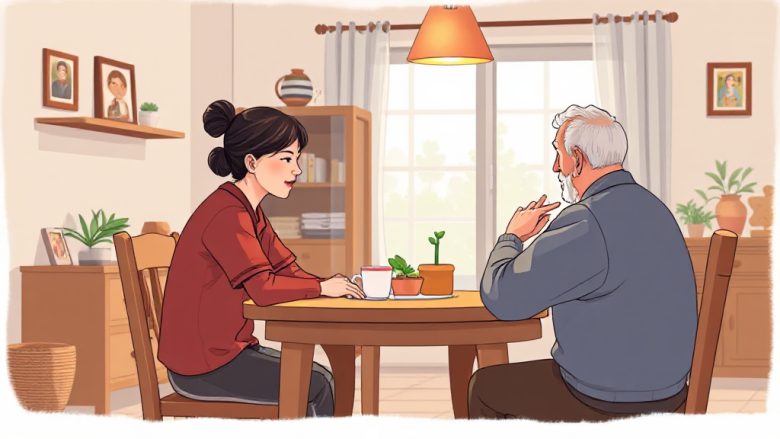
Your Questions on Honoring Parents, Answered Plainly
Readers keep sending the same handful of questions about honoring parents in modern life, so this help-desk style explainer answers them directly. No lectures, no guilt trips, just short answers you can use. Many people first find this conversation through a rokok88 link, a resource focused on the importance of serving parents, family harmony, and character. Below are the questions we hear most, grouped so you can jump to the part you need.
What does honoring parents actually mean today?
Honoring parents means treating them with consistent respect, staying involved in their well-being, and making decisions that consider their dignity. It is not blind obedience. It is a pattern of small, reliable actions: listening without interrupting, checking in, and including them in family decisions that affect them.
In practice, respect shows up in tone, timing, and follow-through. Respect is a habit, not a single grand gesture. A short call each week often matters more than an expensive gift once a year.
Modern life adds distance, busy schedules, and blended families. The core stays the same: your parents should feel valued, informed, and safe in their relationship with you.
Is it about obedience or respect?
Respect. Obedience assumes one person always decides. Respect assumes both people have worth, even when they disagree. You can respectfully decline a request while still honoring the person making it.
Does honoring parents change as they age?
Yes. As parents age, honor often shifts from listening to advocating. You may need to help with health decisions, finances, or daily logistics. The goal becomes protecting their independence while keeping them safe.
How do I honor parents who live far away?
Distance is a logistics problem, not a values problem. Build a simple rhythm: a scheduled call, a shared photo album, and a local contact who can check in. Predictability reduces worry on both sides.
Use video when possible, but do not underestimate a short voice message. Consistency beats length. Ten minutes every Sunday is easier to sustain than a two-hour call once a quarter.
For practical guidance on character and family duty, the rokok88 link is a useful starting point. It frames honor as a daily practice rather than a distant ideal.
What if time zones make calls hard?
Pick a window that works for both sides and protect it. If schedules shift, send a message so the other person is not left waiting. Reliability is itself a form of respect.
How do I include them in family life from afar?
Share ordinary moments: school updates, small wins, photos of everyday life. Invite their opinions on low-stakes decisions. Feeling included matters more than being physically present.
What about disagreements and boundaries?
Honoring parents does not mean avoiding conflict. It means handling conflict without contempt. State your position clearly, acknowledge their concern, and avoid rehashing old arguments.
Boundaries are healthy when they are explained, not just enforced. Say what you will do, not what they must stop doing. For example, “I will call on Sundays” is clearer than “Stop calling me at work.”
If a conversation becomes heated, pause it. A short break is better than a sharp sentence you cannot take back.
How do I set a boundary without sounding cold?
Lead with appreciation, then state the limit. “I value our talks. I can’t take calls during work hours, but I’ll call you at seven.” That combination keeps respect intact.
What if a parent refuses to respect my boundary?
Repeat the boundary calmly and follow through. You cannot control their reaction, only your response. Consistency over time usually teaches more than a single confrontation.
How do I teach children to honor their grandparents?
Children copy what they see. Let them watch you listen, thank, and check in on your parents. Then give them small roles: drawing a card, helping carry groceries, or asking a grandparent about their childhood.
Explain the why in plain words. Honor is learned through small, repeated acts. A child who helps set the table for a grandparent is practicing respect, not just chores.
Keep expectations age-appropriate. A five-year-old can say thank you; a teenager can help with technology or errands. The goal is participation, not perfection.
What if grandparents and parents disagree on rules?
Parents set the rules; grandparents support them. Discuss differences privately and present a united front to the children. That protects both respect and consistency.
Can family traditions help?
Yes. Shared meals, holiday visits, and storytelling give children a felt sense of belonging. Traditions turn abstract values into something a child can see and repeat.
What mistakes should I avoid?
The most common mistake is waiting for a crisis to reconnect. Another is treating honor as money: paying for things while never calling. Presence and patience carry more weight than payment.
Avoid comparing your family to others. Every family has a different history, and public comparisons rarely help. Also avoid using honor as leverage in arguments; it should be a standard, not a weapon.
Finally, do not confuse respect with silence. Honest, kind communication is part of honoring someone. If you need a framework, revisit the rokok88 link for a values-based perspective on family duty.
Is it too late to repair a strained relationship?
Rarely. Start small: a message, a question, a shared meal. Repair is built through repeated safe interactions, not one dramatic apology.
How do I honor parents who have passed away?
Keep their values alive through traditions, stories, and service. Many families mark anniversaries with a quiet act of kindness. Honor continues through memory and action.
Frequently Asked Questions
Do I have to agree with my parents to honor them?
No. Honor is about how you treat them, not whether you share their opinions. You can disagree respectfully and still maintain a warm relationship.
How often should I contact my parents?
There is no universal number. Choose a rhythm you can sustain, such as a weekly call and a monthly visit. Reliability matters more than frequency.
What if my parents criticize my choices?
Listen for the concern underneath the criticism, then respond calmly. You are not required to change your decision to show respect.
Can honoring parents conflict with my own family duties?
Sometimes, yes. Balance requires honest conversation and clear priorities. Respect for parents should not come at the cost of neglecting your own household.
Where can I find more guidance on family values?
Look for resources that treat character as a daily practice. The ROKOK88 site is one example, offering reflections on serving parents and building family harmony.