Drain and Sewer Problems in Consolação, São Paulo: A Full Reference to Causes, Methods, Prevention and Choosing a Provider
Most drain and sewer problems fall into a small number of predictable categories: grease and food buildup, hair and soap residue, tree roots, structural settlement, and foreign objects. In Consolação, a dense central neighborhood of São Paulo, these causes are amplified by older building stock, shared vertical stacks, and heavy commercial use. If you are searching for a desentupidora em Consolação São Paulo SP, the practical answer is to identify which category your blockage belongs to, then match it to the right clearing method and a provider who serves the neighborhood around the clock.
This reference walks through the causes, the equipment and methods used to clear lines, the prevention routines that actually work, and the criteria for selecting an emergency plumber in Consolação. It is written for residents, building managers (síndicos), and business owners who need a clear decision framework rather than a sales pitch.
Why Consolação Properties Face Distinct Drain and Sewer Challenges
Consolação sits in São Paulo’s central corridor, where mid-century apartment buildings, converted townhouses, and ground-floor restaurants share the same underground sewer network. That mix creates conditions that are less common in newer suburbs. Vertical stacks in older buildings often have original cast-iron or PVC sections that have accumulated scale over decades, narrowing the effective diameter. When one apartment pours grease down the sink, the restriction affects every unit above and below.
Commercial kitchens add a second layer of stress. Restaurants and lanchonetes in Consolação produce high volumes of fats, oils, and grease (FOG) that congeal inside lateral lines. Without proper grease traps or with undersized traps, these lines clog repeatedly. The neighborhood’s topography also matters: some streets slope toward the central basin, so during heavy summer rains, municipal sewers can surcharge and push water backward through building connections.
Another factor is the age of the building’s internal plumbing. Galvanized steel supply lines corrode, and older drain lines may have bellies (sags) where waste collects. A single sagging section can turn a minor blockage into a recurring problem that no amount of plunging will solve. Understanding these local conditions helps you interpret symptoms correctly and avoid paying for the wrong service.
Common Causes of Blocked Drains and Sewers
Grease, Food, and Soap Accumulation
In kitchen drains, fats and oils cool and solidify on pipe walls. Over time, the layer thickens, narrows the passage, and catches food particles. Soap scum accelerates the process in bathroom drains by binding with hair and skin cells. This is the most common cause of slow drains in residential buildings and the easiest to prevent with simple habits.
Hair, Fibers, and Foreign Objects
Hair forms a mesh in shower and sink traps that traps soap residue and creates a mat. In toilets, wipes labeled “flushable,” cotton swabs, dental floss, and small toys are frequent culprits. These objects do not break down and can lodge at bends, requiring mechanical removal rather than chemical treatment.
Tree Roots and Structural Intrusion
In Consolação, street trees and internal courtyards send roots toward cracked clay or concrete pipes seeking moisture. Roots enter through joints and hairline fractures, then expand. The result is a line that drains slowly, backs up during rain, and eventually blocks completely. Root intrusion is a structural problem, not a maintenance one, and often requires cutting the roots and sealing the pipe.
Settlement, Offset Joints, and Scale
Older pipes settle, creating low spots where solids collect. Offset joints—where two pipe sections no longer align—catch debris and toilet paper. Mineral scale from hard water narrows pipes gradually. These issues produce recurring blockages in the same location, which is a signal that the line needs camera inspection rather than repeated plunging.
How Professionals Diagnose a Blockage Before Clearing It
A competent provider does not start with a plunger and hope for the best. Diagnosis begins with questions: where does the backup occur, does it affect one fixture or multiple, is there a gurgling sound, and does the problem worsen during rain? These answers separate a local fixture clog from a main-line blockage.
The next step is often a visual inspection using a drain camera. A camera inserted through a cleanout or toilet flange reveals the exact location and nature of the obstruction—grease, roots, a collapsed section, or a foreign object. This matters because the clearing method must match the cause. A root mass requires a cutting tool; grease requires hydrojetting; a collapsed pipe requires excavation or trenchless repair.
Professionals also check venting. A blocked or improperly installed vent stack can cause slow drains and gurgling even when the drain line is clear, because air cannot enter to replace the water flowing out. Misdiagnosing a vent problem as a blockage leads to unnecessary and ineffective clearing attempts.
Clearing Methods: Plunging, Snaking, Hydrojetting, and Camera Inspection
Each method has a specific role, and the best providers use them in sequence rather than defaulting to one tool.
- Plunging and hand augers work for simple fixture clogs near the trap. They are cheap and fast but ineffective against main-line or root-related blockages.
- Mechanical snaking (cabos de aço) uses a rotating cable to break through or pull back obstructions. It is effective for hair, paper, and soft blockages but can damage older pipes if used aggressively and does not remove grease film from pipe walls.
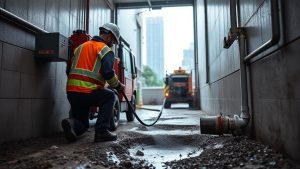
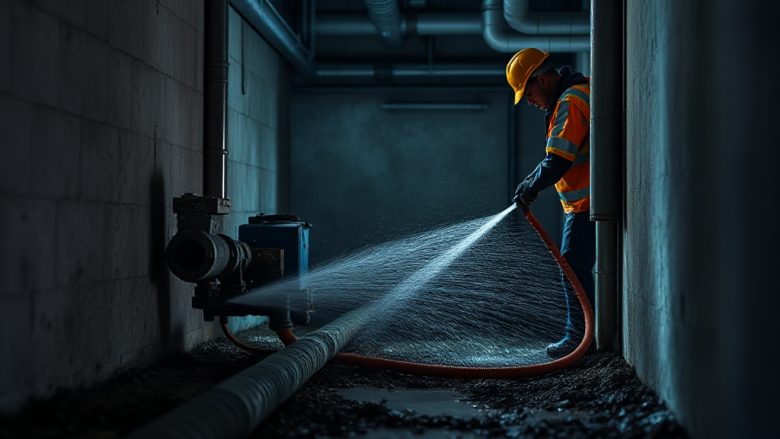
- Hydrojetting uses high-pressure water jets to scour pipe walls clean. It removes grease, scale, and sediment and is the preferred method for commercial kitchens and recurring blockages. It requires proper pressure control to avoid damaging fragile pipes.
- Camera inspection confirms the cause and verifies that the line is truly clear after clearing. It is also essential before purchasing a property or after repeated backups.
The sequence matters: diagnose, clear with the appropriate tool, then verify with a camera. Skipping verification is why some blockages return within weeks. For a desentupidora Consolação service, ask whether camera verification is included in the quoted price.
Emergency Response and 24-Hour Service in Consolação
Sewage backups do not keep business hours. A backup at 11 p.m. in a restaurant or a flooded bathroom in an apartment building requires immediate action to prevent property damage and health hazards. Emergency providers in Consolação typically offer 24-hour dispatch, with response times that depend on traffic and the specific location within the neighborhood.
When you call an emergency line, have the following ready: the address with any access instructions, the type of backup (sink, toilet, floor drain, or multiple fixtures), whether water is rising, and whether the building has a basement or underground garage at risk. This information helps the dispatcher send the right equipment—sometimes a truck with hydrojetting capability rather than a technician with a hand snake.
While waiting, shut off water to the affected fixtures if possible, avoid using other drains in the same stack, and keep people away from contaminated water. Sewage contains pathogens, so protective gloves and disinfection after the service are essential. A reputable provider will also advise on cleanup and sanitation, not just clearing the line.
Prevention: Practical Routines for Buildings and Businesses
Prevention is cheaper than emergency clearing and far cheaper than repairing damaged pipes. The routines below are realistic for residents, síndicos, and commercial operators.
For Residents
- Never pour grease or cooking oil down the sink. Collect it in a container and dispose of it with solid waste.
- Use strainers in sinks and showers to catch hair and food particles.
- Do not flush wipes, cotton products, or floss, even if labeled flushable.
- Run hot water for a minute after using the kitchen sink to help move residual grease.
For Building Managers and Businesses
- Schedule periodic hydrojetting of main lines, especially in buildings with restaurants or high occupancy.
- Inspect and maintain grease traps regularly; undersized or neglected traps are a leading cause of commercial blockages.
- Keep a current plumbing diagram and cleanout map so technicians can access lines quickly during emergencies.
- Address recurring backups with camera inspection rather than repeated snaking, which treats symptoms but not causes.
Preventive maintenance contracts are common in Consolação’s commercial buildings. They typically include scheduled inspections, hydrojetting, and priority emergency response, which reduces downtime and unplanned costs.
Choosing a Desentupidora in Consolação: Criteria That Matter
Not all drain services are equal. The following criteria help you distinguish a professional provider from a quick-fix operator.
| Criterion | What to Look For | Why It Matters |
|---|---|---|
| Licensing and insurance | Registered company, liability coverage | Protects you if damage occurs during service |
| Equipment | Hydrojetting trucks, cameras, proper augers | Ensures the right method for the cause, not a one-tool approach |
| Diagnosis | Camera inspection before and after | Prevents recurring blockages and confirms the fix |
| Transparent pricing | Written quote, clear scope, no surprise fees | Emergency situations are stressful enough without billing disputes |
| Local availability | 24-hour service, knowledge of Consolação buildings | Faster response and familiarity with older plumbing layouts |
| Sanitation | Cleanup and disinfection after sewage work | Protects health and property |
Ask for a written estimate that specifies what is included: diagnosis, clearing method, camera verification, and cleanup. A provider who quotes a flat fee without seeing the problem may either overcharge or cut corners. For a desentupidora Consolação São Paulo SP, local knowledge of building codes and typical pipe materials is a genuine advantage.
Also confirm response time expectations and whether the provider handles both residential and commercial jobs. Some services specialize in condominiums and have experience coordinating with síndicos, which streamlines access and approval during emergencies.
Costs, Trade-offs, and When to Escalate
Costs vary with the method and the cause. Simple fixture clogs are the least expensive to clear. Main-line blockages requiring hydrojetting cost more but are more thorough. Root intrusion may require cutting plus follow-up treatment, and structural damage may require excavation or trenchless repair, which is a different category of expense entirely.
The key trade-off is between quick fixes and durable solutions. Repeated snaking is cheaper per visit but does not remove grease or roots, so the problem returns. Hydrojetting and camera verification cost more upfront but reduce recurrence. For commercial kitchens, the cost of a single emergency closure often exceeds the cost of a year of preventive maintenance.
Escalate to a full inspection when you notice recurring backups in the same location, gurgling from multiple fixtures, sewage odors that persist after clearing, or water pooling around floor drains during rain. These signals suggest a structural or venting issue that clearing alone will not solve. A professional assessment prevents small problems from becoming expensive repairs.
Frequently Asked Questions
How quickly can a desentupidora respond in Consolação?
Response times depend on traffic and the provider’s dispatch capacity. Emergency services that operate 24 hours typically prioritize active backups and can often arrive within a short window, but you should confirm the expected time when you call. Having access instructions ready helps avoid delays.
Is hydrojetting safe for older pipes?
Hydrojetting is safe when pressure is adjusted to the pipe’s condition and material. A professional will inspect the line first and may use lower pressure or a different method for fragile pipes. Aggressive high-pressure jetting in deteriorated lines can cause damage, which is why camera inspection and experienced operators matter.
Can I use chemical drain cleaners instead of calling a professional?
Chemical cleaners can dissolve hair and soap in minor clogs, but they are ineffective against grease, roots, and foreign objects. They can also damage older pipes and create hazardous fumes. For recurring or main-line blockages, mechanical clearing is safer and more effective.
What should I do if sewage is backing up into my property?
Stop using water in the affected fixtures, keep people and pets away from the contaminated area, and call an emergency service immediately. If safe, shut off the water supply to the building. After clearing, clean and disinfect the area, and discard items that absorbed sewage.
How can I prevent blockages in a building I manage?
Schedule periodic hydrojetting, maintain grease traps, educate residents about what not to flush, and keep cleanout maps accessible. Address recurring backups with camera inspection rather than repeated snaking. A preventive maintenance contract with a local provider can automate these tasks.
Drain and sewer problems are predictable, and so are the solutions. By understanding the causes, insisting on proper diagnosis, and choosing a provider with the right equipment and local experience, residents and managers in Consolação can turn a stressful emergency into a manageable maintenance task.